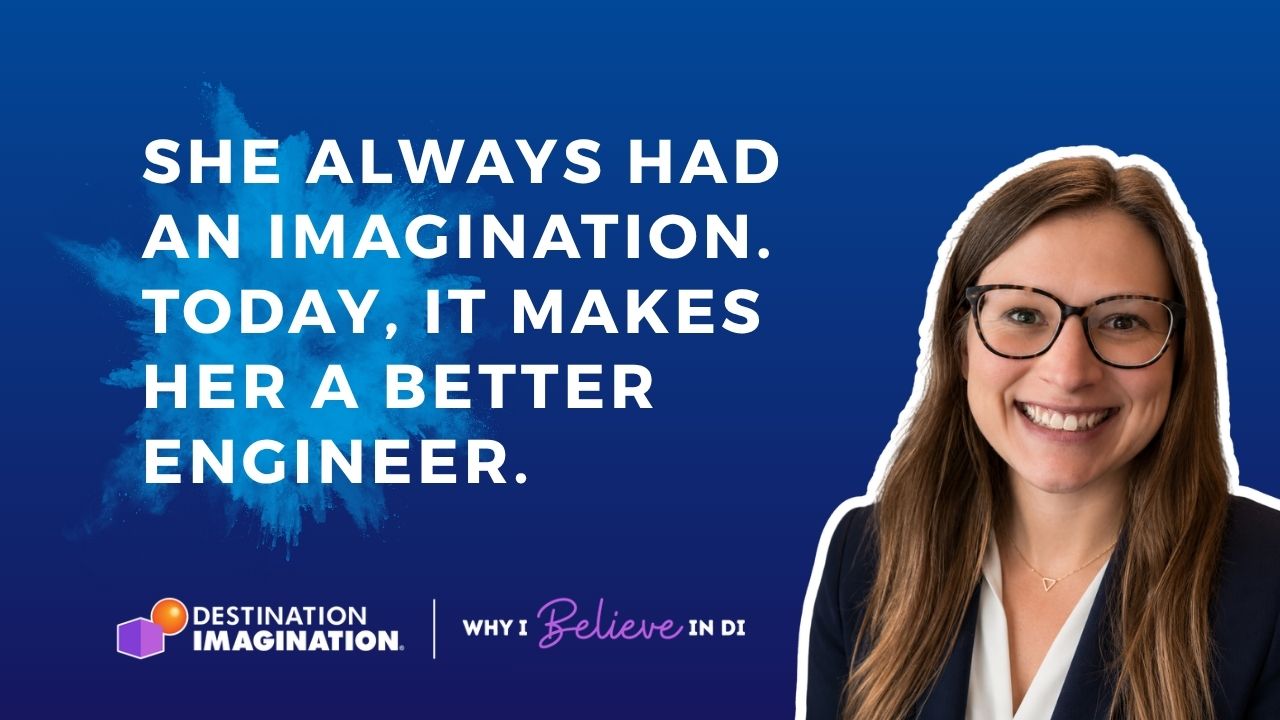
By Noam, DI Volunteer & Alumna
Editor’s Note: DI alumna Noam works at the Robotics and AI Institute in Cambridge, where her team teaches robots to get smarter using AI. When she told her team lead about DI, they invited six Massachusetts teams to the lab for an afternoon of robots and hands-on challenges. Turns out the creative problem-solving skills kids practice in DI are exactly what shows up in real-world tech work.
When I first introduced Destination Imagination to my team lead at the RAI Institute, I had no idea it would turn into a day of DI fun – at work! At RAI, one of our key areas of research centers on experimenting with new ways to make robots smarter using AI. That requires creativity, teamwork, resource management, brainstorming, designing, building, and iterating – all skills that I practiced as a DI participant growing up! When my team lead learned about DI, we decided to invite teams over to our labs for an afternoon of fun and robotics.
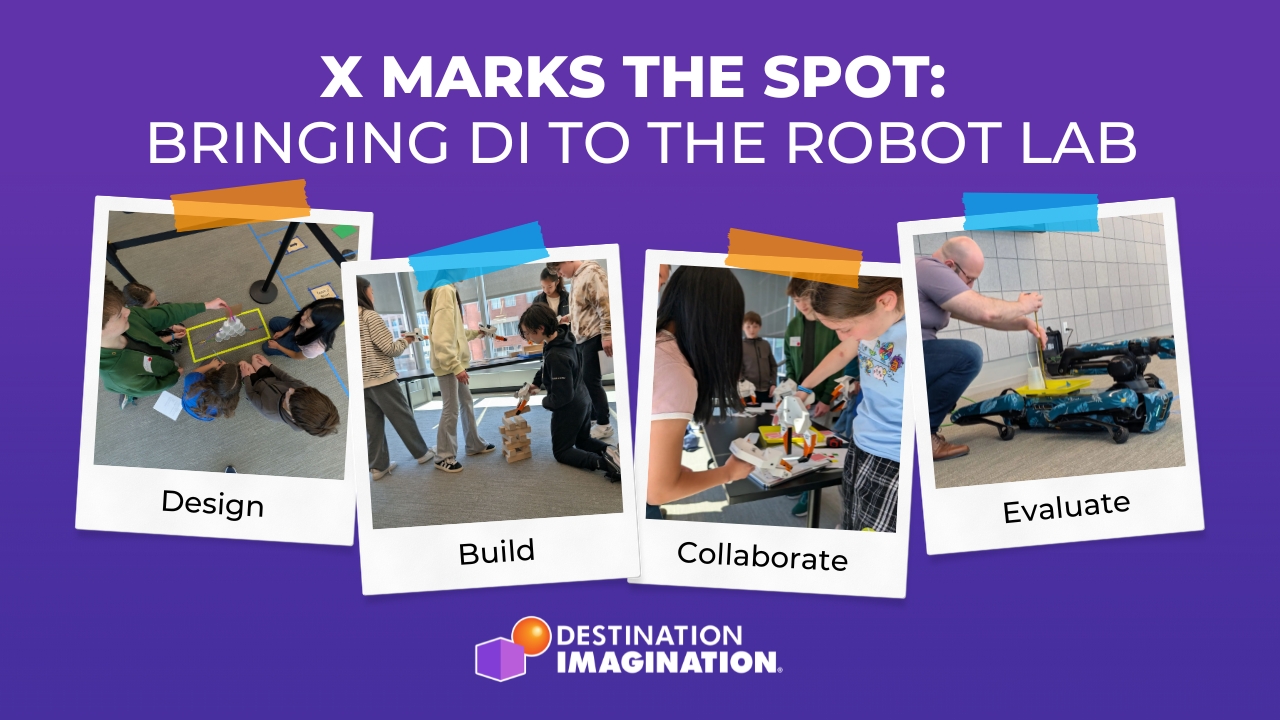
Six Massachusetts DI teams were invited to tour our labs in Cambridge and learn how to drive Boston Dynamics Spot robots themselves. The highlight of the day was the “X Marks the Spot” challenge – a mega Instant Challenge (IC) integrating robotics and AI concepts into the familiar IC format.
My team created a room-sized board game in which two teams competed head-to-head, directing Spot robots around the board and completing IC to earn points. Teams used block coding to direct their Spot (operated by a RAI volunteer) to a desired part of the board, avoiding walls and other pitfalls, and received robotics and AI-themed ICs based on the landing square.
While navigating the board taught programming skills, the ICs were designed to teach teams about robotic manipulation, teleoperation, collision avoidance, data collection, and perception. We created 10 separate challenges of varying levels of difficulty. And yes, we gave them all pirate-themed names.
By the end, the teams successfully navigated their robots to clear all 10 challenges from the board without any adult help. The kids were engaged, excited, curious, and asked insightful questions throughout “X Marks the Spot” and other activities of the day.  View photos and videos of the challenges and solutions below this article.
The entire process of writing and organizing “X Marks the Spot” was both a wonderful creative experience for my team at RAI and a fantastic hands-on learning opportunity for the kids. Our volunteers had a great time brainstorming potential ICs (so many that we decided to use them all rather than just do one!) and testing them out. The kids came up with new solutions to the Spot Instant Challenges that we didn’t consider during our own testing.
We’re expecting to see some outstanding job applications from these kids in the future!
About the Author
Noam is a NH- and NY-DI alumna, and currently lives in Massachusetts, where she is an upcoming Technical Challenge (ACM). She loves appraising both Technical and Instant Challenge, and has been involved in DI in one way or another since 2002. She works at the Robotics and AI Institute in Cambridge, where her work focuses on using AI in new and creative ways to make robots smarter.
Ready to future-proof your child’s education?
Whether your child wants to build the next generation of AI, solve global engineering problems, or lead creative teams, Destination Imagination builds the groundwork.
Check out this season’s Challenge Previews and start a team today!
Check out the challenges
Some of the challenges focused on methods of combining AI and robotics:
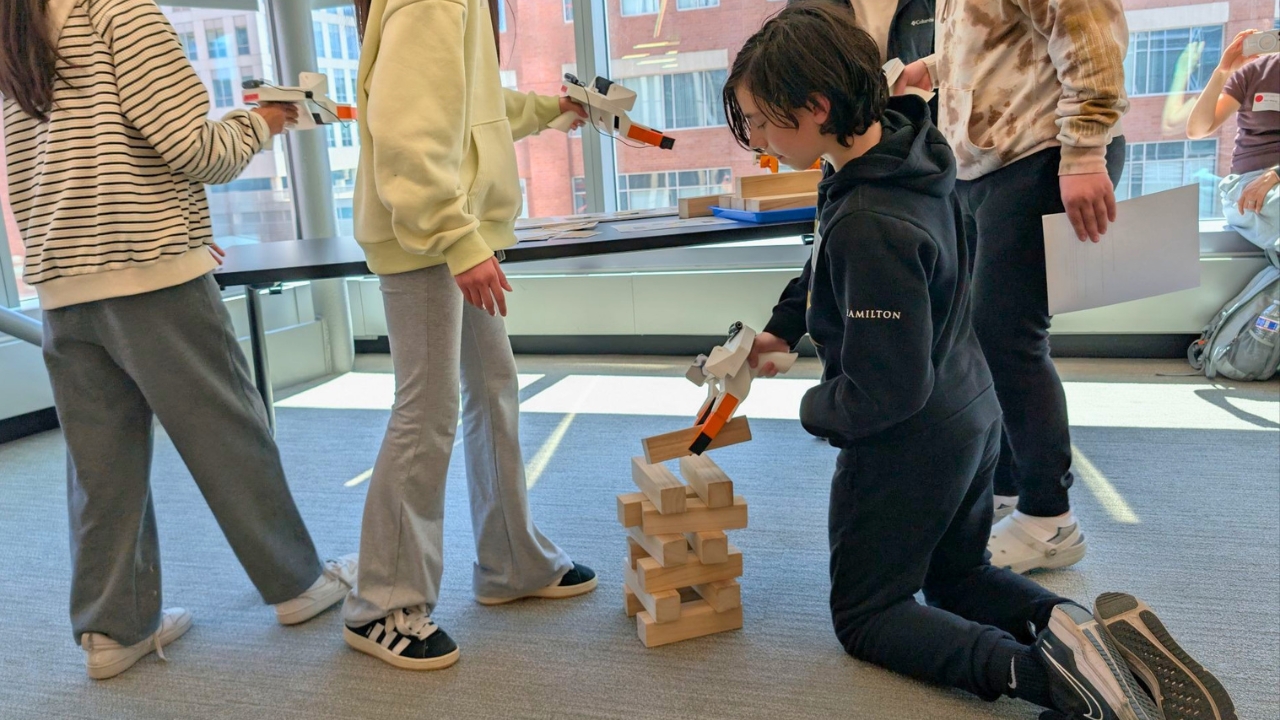
In “Captain’s Hook Nightmare” and “Up the Crow’s Nest”, the kids learned about difficulties collecting data to train AI models for robots doing highly dexterous tasks. Teams had to use handheld robot grippers to complete manipulation tasks such as building giant Jenga towers, threading a needle, and stacking and dealing a deck of cards. We explained how the RAI team uses similar grippers to collect large amounts of training data for our robot policies.
In “Ye Savvy”, teams played the “Name Game”, in which they had to prompt a vision-language model to find unusual objects in an image. The model struggled in finding these objects, which were out of distribution to its training data and difficult to describe verbally. Playing this game, the kids learned about failure modes of vision-language models, and the motivation behind one of RAI’s research projects that focuses on teaching a robot through watching a human demonstrate a task, as opposed to relying on only language task descriptions.
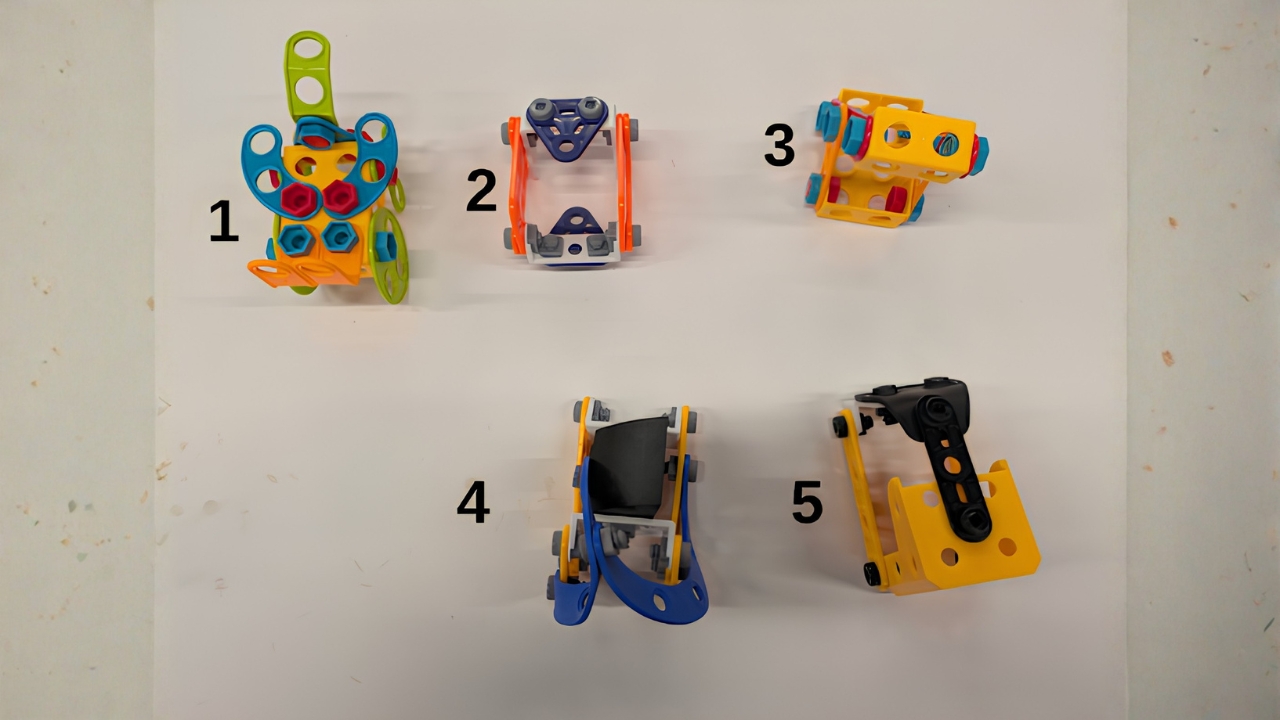
Photo Credit: Jenny Barry, RAI
Other challenges highlighted the capabilities of robots:
“(Don’t) Walk the Plank!” required teams to build a barrier big enough to trigger Spot’s collision avoidance mechanism. Teams were given a set of office supplies and household objects (paper, plastic cups, rubber bands, etc.) and were tasked with building a freestanding structure. Once complete, a RAI volunteer directed Spot to walk into the team’s structure, and the team was evaluated on whether or not Spot avoided breaking their barrier. In this activity, the kids learned about collision avoidance and safety measures required in robotics, as well as the limitations of these safety systems.
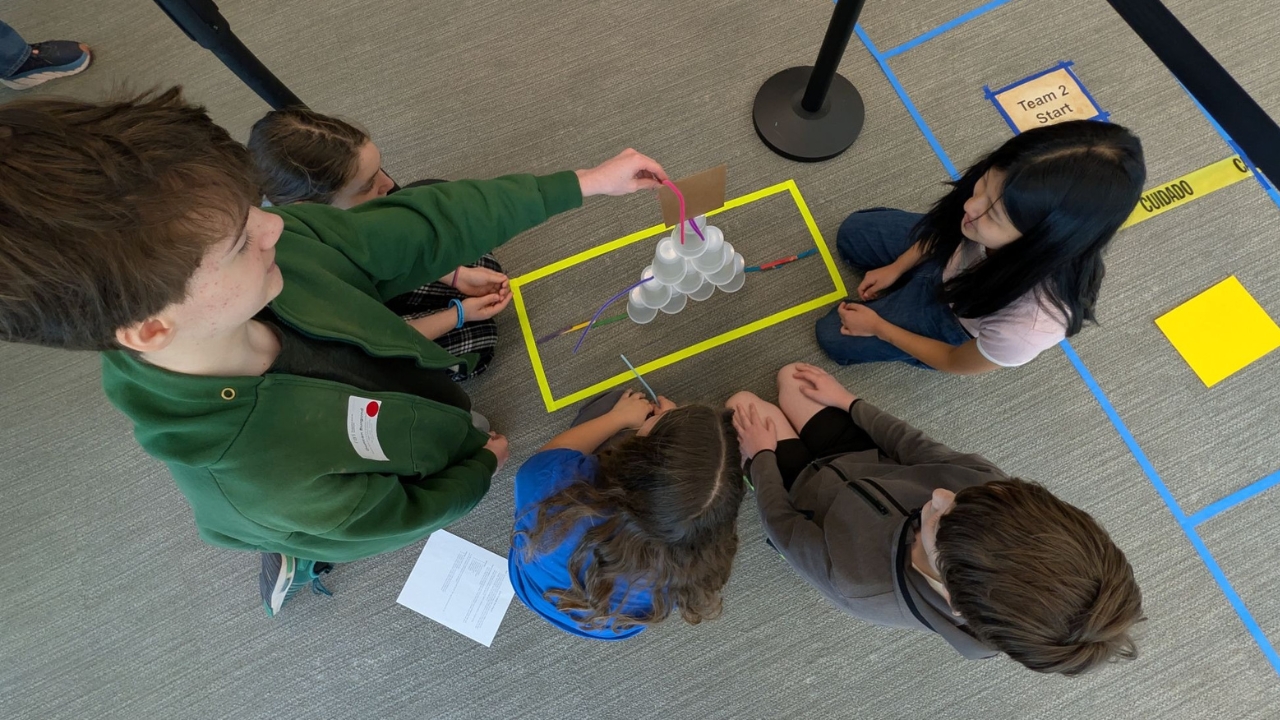
Team building a barrier tall and wide enough to trigger Spot’s collision avoidance.
Photo Credit: Adam Morin, MADI
The barrier was large enough for Spot to successfully avoid! Video Credit: Adam Morin, MADI
“Shiver Me Timbers” exercised teams’ creativity while showing off some of the more dynamic ways robots can move. Teams had to build a structure from a limited set of office supplies that was as tall as possible and would stay on Spot’s back while Spot danced.
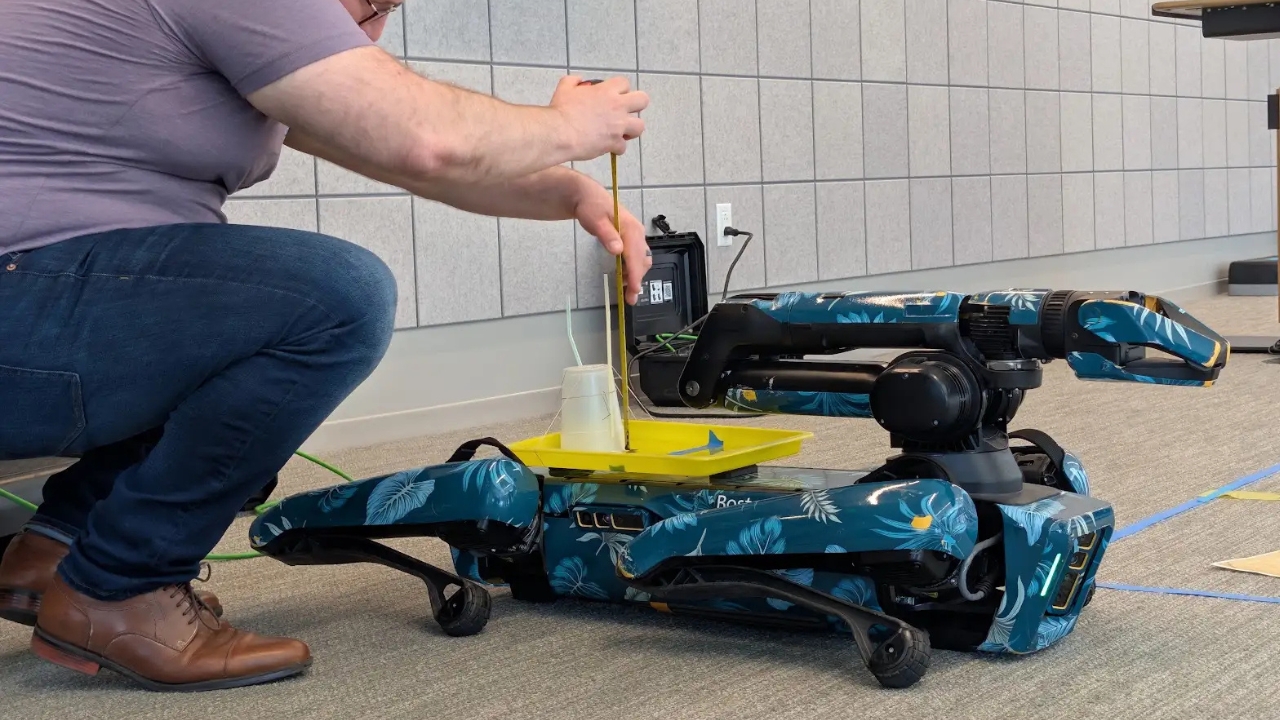
Photo Credit: Adam Morin, MADI
The height of the structure was measured after Spot danced.
Video Credit: Adam Morin, MADI