When you work at Destination Imagination, you become protective of it.
You see the dedication of the volunteers, the creativity of the students, and the countless hours people give because they believe deeply in what this experience can do for young people. I’ve been with DI long enough to watch students grow through the experience, and seeing that transformation never stops being gratifying.
At its core, Destination Imagination is about helping young people develop creativity as a lifelong skill. That growth happens through the DI Creative Process, where students build confidence in their ideas, strengthen their problem-solving skills, and discover what they’re capable of when they learn by doing. What they gain goes far beyond solving a single challenge—it shapes how they collaborate, communicate, and approach a problem long after their season ends.
For nearly three decades, that belief has connected a global community of educators, parents, volunteers, and alumni who care deeply about giving young people the chance to explore their own ideas, solve problems, and discover what they’re capable of.
Even as a global organization, DI remains a close-knit community. Our network includes writers, engineers, artists, teachers, scientists, actors, web developers, designers, filmmakers, entrepreneurs, and professionals from nearly every field imaginable—including some that don’t even exist yet. What connects us is a shared belief that young people should have the opportunity to develop confidence in their ideas and see what they’re capable of achieving.
So when Mark Giordono stepped into the role of CEO earlier this year, many across the DI community were curious. What drew him to Destination Imagination? What stood out to him about this community? And what might this next chapter mean for the organization?
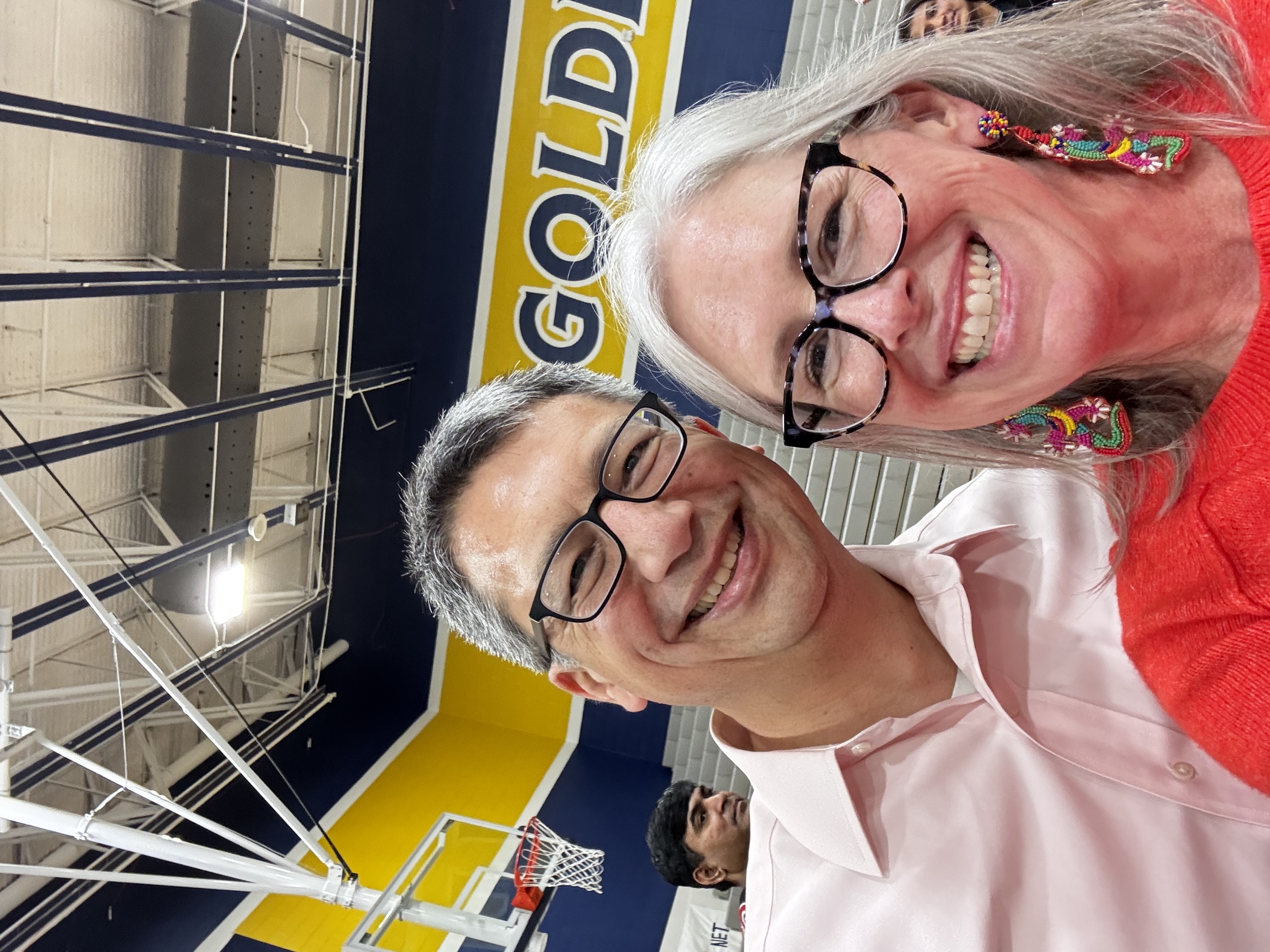
In his first months, Mark has been doing what any thoughtful leader would do: listening. He’s been connecting with Affiliates, volunteers, staff, and alumni across the DI community and attending tournaments to watch teams present their solutions.
As those conversations continue across the network, one thing is becoming increasingly clear: the skills DI helps young people develop—creativity, collaboration, and problem-solving—are more important than ever. In a world where artificial intelligence can generate answers in seconds, the ability to think creatively, work together, and bring uniquely human ideas to complex challenges is becoming even more valuable.
We asked Mark to share what inspired him to join Destination Imagination, what he’s learning from the community, and why helping young people develop creative confidence and trust in their ideas has never been more important.
Q: When you first began exploring the CEO role at Destination Imagination, what drew you to the organization and its mission?
Mark: I was initially drawn to DI’s focus on creativity and humanity within STEM. I’m a liberal arts kid at heart, and I believe human creativity has never been a more valuable or in-demand skill. It was refreshing to see human creativity—not a specific technology or product—at the core of the DI experience.
One moment during the process especially stayed with me. A staff member shared a reflection that resonated deeply: in an age of large language models, massive databases, and seemingly limitless information at our fingertips, creativity means bringing something uniquely human to the solution—something that doesn’t already exist in a digital model.
That idea stuck with me. I want to help many more young people experience that process and bring their own unique perspectives into the world.
Q: Creativity is central to DI’s mission. Why do you think creativity is such an essential skill for young people today?
Mark: Creativity is one of the things that makes us human. Technology can create incredible tools, but it’s human ingenuity, empathy, and problem-solving—all elements of strong creativity—that determine how those tools are used to build a better world.
Another important thing about creativity is that it never becomes obsolete. While technology evolves rapidly, creative skills only grow stronger and more valuable the more people practice them.
That’s why it’s so important to start nurturing those skills early.
Q: Before joining DI, you spent many years at FIRST supporting a global network of students, mentors, and alumni. What leadership lessons from that experience are shaping how you approach this role?
Mark: There are many similarities in how DI, FIRST, and other youth-serving organizations operate, and I’m bringing several lessons with me.
First, it’s critical to learn from the people closest to the work. Affiliates and volunteers working directly with students understand what’s needed in their communities better than anyone. One priority for me is making sure we listen to those insights and share successful ideas across regions.
Second, we can never celebrate volunteers enough. Programs like DI simply wouldn’t exist without Team Managers and the many volunteers who support teams and tournaments. People volunteer because they believe in the mission and love the experience, but that doesn’t mean we shouldn’t recognize and celebrate their contributions as often as possible.
Finally, I believe in helping people who have benefited from programs like DI stay connected and continue supporting the next generation. Alumni, families, and communities all play an important role in sustaining and strengthening experiences like this over time.
Q: You’ve worked across nonprofits, startups, and served in the Peace Corps. How have those experiences shaped the way you think about empowering young people?
Mark: While those experiences certainly shaped my professional perspective—especially my time in the Peace Corps—I think becoming a parent has had the biggest influence on how I think about empowering young people.
Simply telling a young person the “right” way to do something rarely works.
What really matters is giving them the opportunity to explore their own ideas and take ownership of the process.
Young people are often less constrained by assumptions or expectations, which allows them to approach challenges in creative and unexpected ways. When someone truly feels ownership over their ideas and their work, they tend to produce stronger, more thoughtful solutions.
Q: In your first weeks connecting with Affiliates, volunteers, and staff, what has impressed or inspired you most about the DI community?
Mark: I’ve been incredibly impressed by the shared belief across the community in DI’s mission of using creativity to help make the world better.
I’m also inspired by the diversity of ideas and approaches people bring to the work. Just like the DI Creative Process itself, there isn’t one “right” way to solve challenges.
I’ve seen people share thoughtful solutions and a real willingness to test ideas and learn from one another.
That openness and collaboration are powerful strengths.
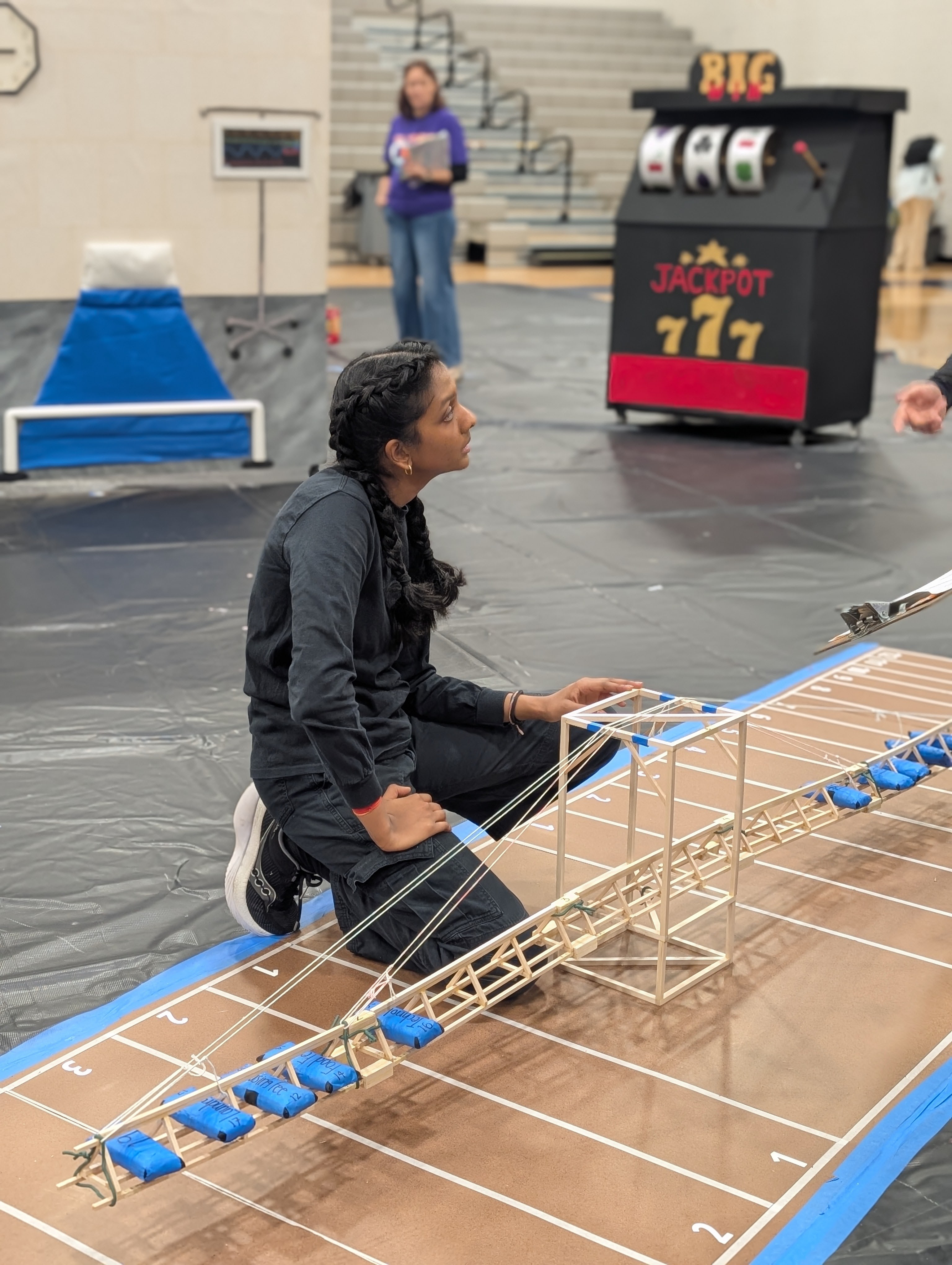
Q: What do you think makes the Destination Imagination experience distinct from other youth programs?
Mark: There’s actually a lot that DI shares with other youth activities—whether that’s youth sports, STEAM programs, or educational experiences. All of them rely on caring adults who mentor, teach, and support young people.
What makes DI distinct, in my view, is how open-ended and youth-led the experience is.
Participants are practicing real-world problem-solving: situations where there isn’t one correct answer, where information may be incomplete, and where the best path forward is discovered through collaboration with teammates.
What makes it especially powerful is that students get to practice those skills in a supportive environment with mentors and volunteers who encourage them along the way.
As Mark continues meeting teams, volunteers, and Affiliates across the DI community, we look forward to sharing more conversations and perspectives in the months ahead.