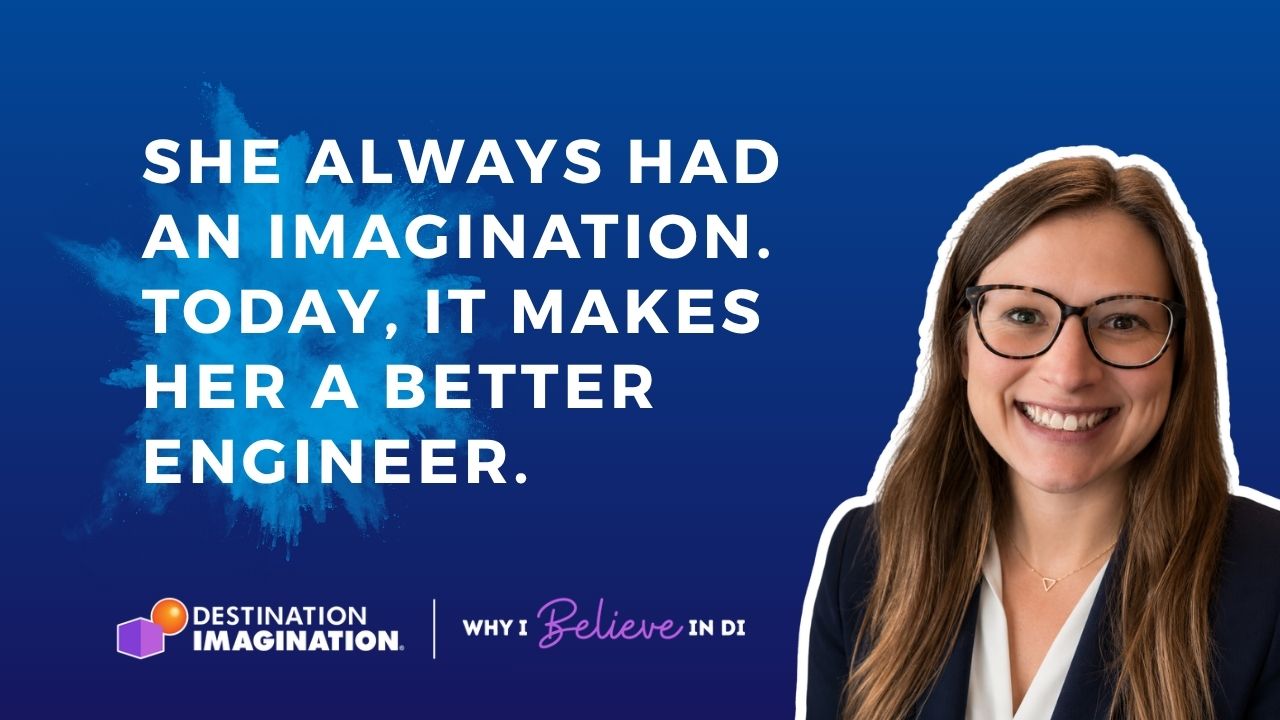
In fifth grade, Leah Baker and her Destination Imagination (DI) team had an idea for their Challenge solution.
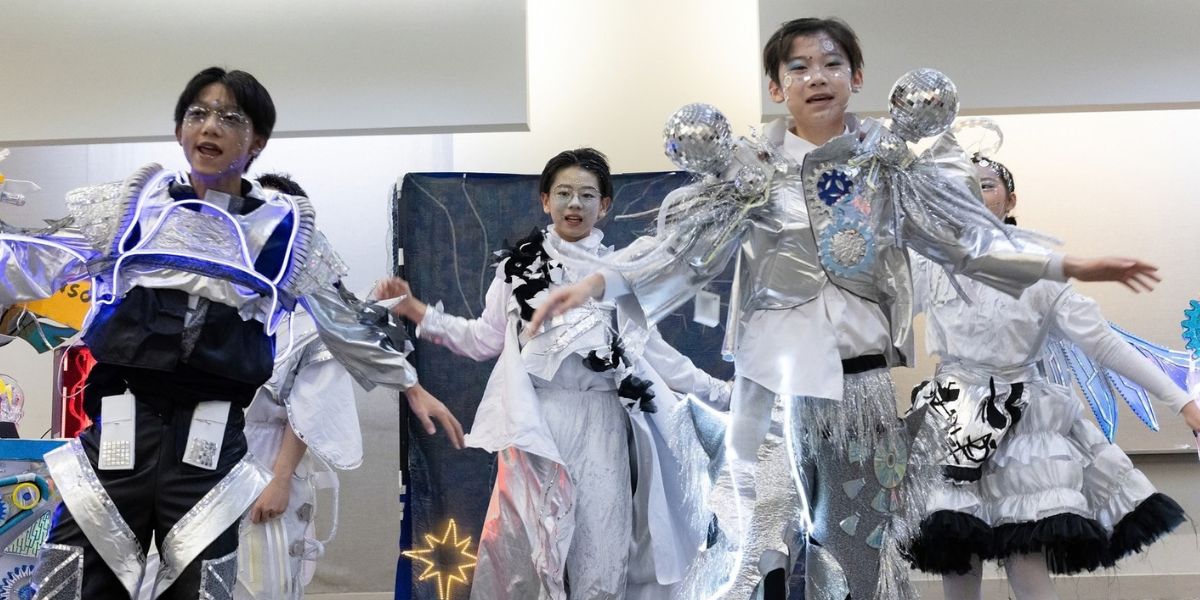
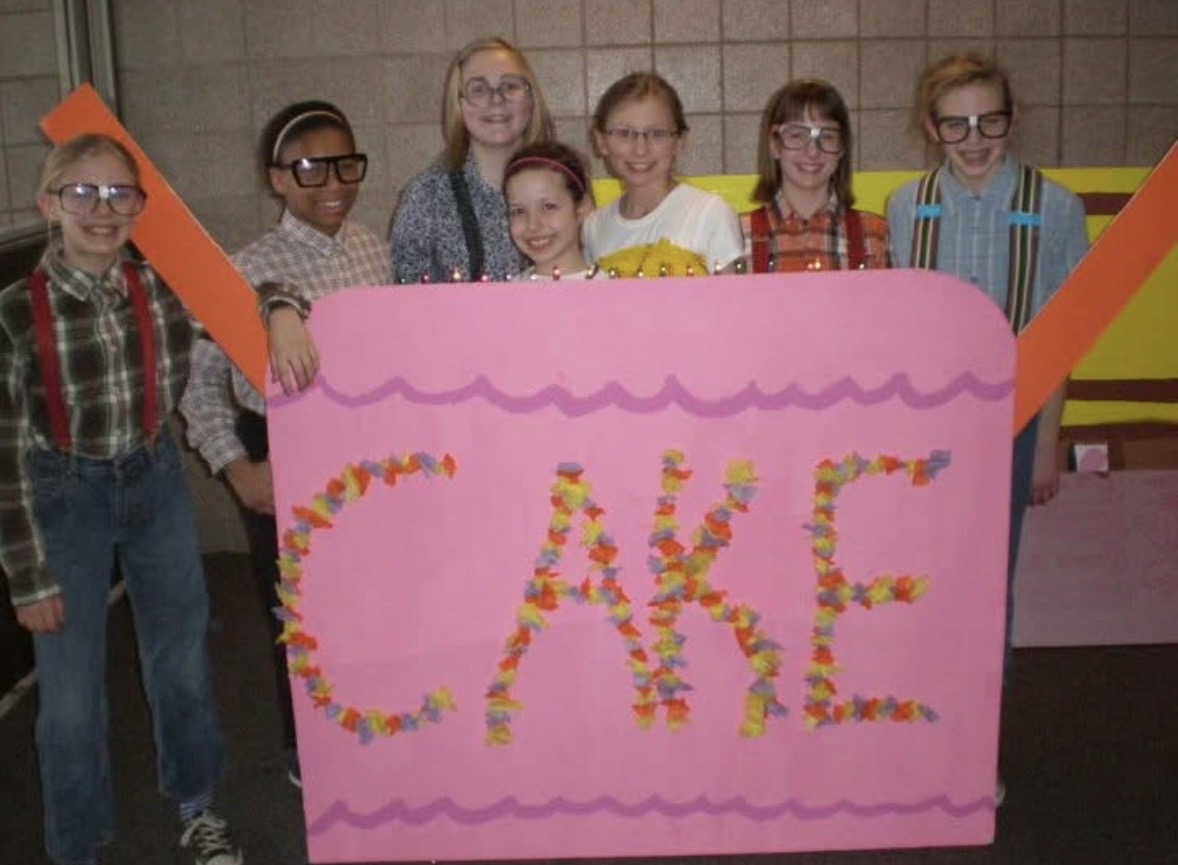
For their performance, they would tell the story of a group of “nerds” who invented a revolutionary new fuel. They called it CAKE—short for calcium, astatine, krypton, and einsteinium.
Their characters traveled around the world by jet pack and a super canoe to spread the word. And Leah was responsible for creating one of the team’s special effects: a three-foot-tall cake made from foam core that featured waving arms and flashing lights.
“I remember duct taping rows upon rows of 9-volt batteries to the back of the cake, getting blisters from stripping wires and shocking myself a few times,” Leah said. “I loved every second. We dreamed big and brought wild ideas into reality.”
More than a decade later, Leah is a chemical engineer working in the biomedical field. The problems she works on today look very different from the ones she explored as a fifth grader, but creativity and imagination are still central to the way she approaches them.
And when Leah looks back, she sees something else those early experiences gave her—a place where being curious, creative, and passionate about science wasn’t something she needed to hide.
It was something she could be proud of.
A Place to Explore
Leah was part of a Destination Imagination team in Minnesota from fourth through sixth grade. Each year, she and her teammates worked together to develop their own solution to a creative STEAM Challenge, including making their own decisions, experimenting with different ideas, and figuring out how to bring their solution to life.
For Leah, those years gave her a place to bring together interests in math, science, creativity, and problem-solving that were already beginning to take hold.
“I wanted to do math during recess, became fascinated with Fibonacci numbers, and was hungry for challenge,” she said.
At home, Leah turned to programs like NOVA, fascinated by the scientists and engineers she saw working with new technologies and solving complex problems. She remembers learning about carbon nanotubes and being hooked.
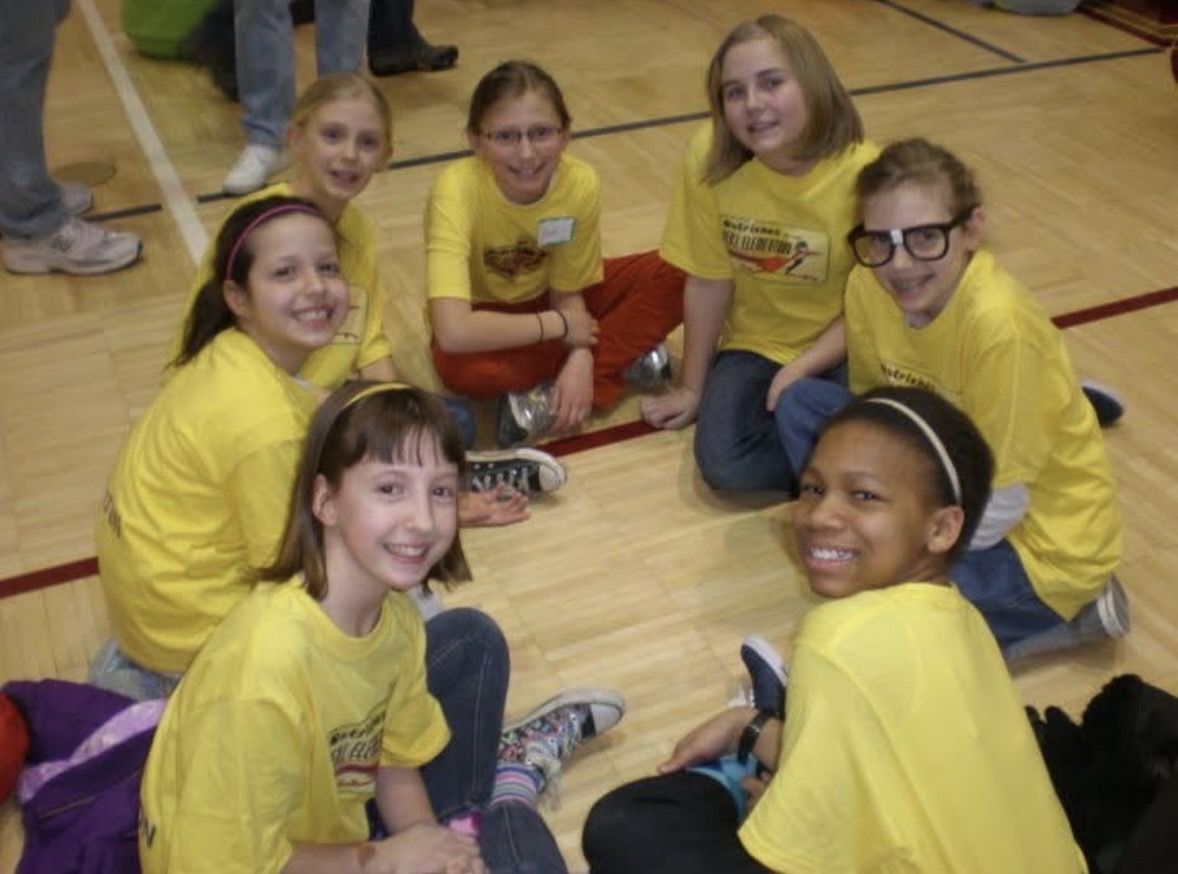
Around the same time, DI gave her a place to explore that curiosity alongside her friends.
“I got to practice being the people I saw on NOVA: solving big problems and bringing brand new ideas to life,” Leah said. “DI was a sandbox where I could use my 5th grade-level skills in math and science to dabble in problem solving alongside my closest friends.”
But DI wasn’t only a place to explore what interested her. It also gave Leah an opportunity to discover what she could contribute.
She describes herself as relatively shy in school at the time. With her DI team, she became more confident in speaking up.
“Suddenly, it wasn’t weird or annoying to be smart. I became an asset,” Leah said. “I brought my ideas to the table, spoke up and stepped in as a leader for the first time.”
It gave her a place to bring together different parts of herself—her technical interests, her creativity, and an outgoing side she often kept inside.
Seeing a Future in Engineering
One of the most important moments in Leah’s DI experience happened at Global Finals when she was 11.
While exploring an expo at the event, Leah stopped at a 3M booth and met an engineer who worked for the company.
That interaction helped her realize that the kind of creative problem-solving she enjoyed could actually become a career.
“As an 11-year-old, the idea of being paid to think outside the box and solve big problems was rather revolutionary,” she said.
Until then, Leah had imagined becoming a doctor. Engineering showed her another way to pursue something she had always been drawn to—fixing things.
“I always wanted to fix things, but started thinking about fixing with medicine and eventually found a passion for fixing things with math and science.”
From Curiosity to a Career
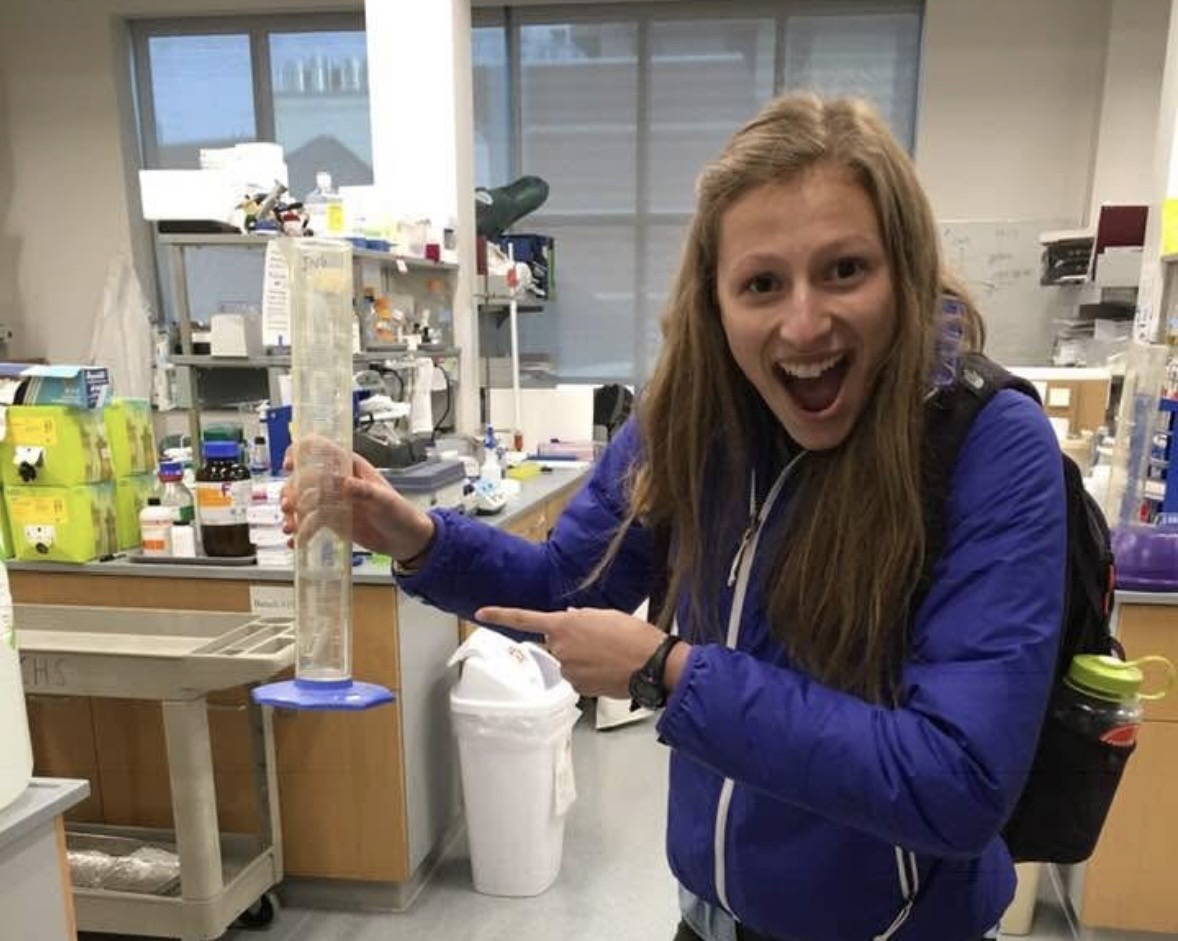
Leah continued pursuing science after her DI years, attending science camps and taking advanced science courses in high school.
She went on to the University of Minnesota, where she explored biomedical engineering and molecular research before finding her path in chemical engineering.
After graduating, Leah began her career in industry. In 2023, she joined Medtronic, bringing her interests in engineering and medicine closer together. Her work has focused largely on cardiac pacing and compassionate-use products.
“I think 11-year-old me would think it’s pretty neat that I get to be an engineer, but I’m not too far from my early passion for medicine,” she said.
Why Imagination Still Matters
For Leah, the connection between her childhood experiences and her career isn’t simply that a kid who loved science eventually became an engineer.
It’s also in the way she solves problems.
While studying engineering at the University of Minnesota, Leah spent a lot of time memorizing concepts, working through formulas, and writing proofs. Surrounded by other talented students, she often struggled with impostor syndrome.
But beyond her academic abilities, she knew she brought something else to the table.
“I always knew I had an edge over my peers because I have an imagination,” Leah said.
Today, that imagination remains part of how she approaches her work.
“I might not always know the right answer straight away, but I will always ask creative questions, think about the problem in a new way, bounce ideas around the room, and enjoy the problem-solving process,” she said. “It’s these skills that make me a good engineer, and I first learned them during DI.”
Technical knowledge is an important part of STEM. But so is the ability to ask creative questions, approach problems in new ways, and imagine solutions that don’t exist yet.
For Leah, DI gave her a place to practice those skills from an early age.
Clearing a Path for Girls in Science
There’s another memory from Leah’s time in DI that has taken on new meaning in recent years.
A few days after her team took first place at their state tournament, a family friend commented on how impressive it was that all seven members of the team were girls.
At the time, Leah didn’t understand why that mattered.
“Why would that matter? Our team is strong, smart, and super fun. Who cares if we don’t have any boys?” she remembers thinking.
At that age, she wasn’t yet aware of what it meant to be a woman in STEM.
Today, she is.
“Today, I focus lots of my spare time on clearing a path for girls in science, so that being a girl with a passion for STEM isn’t so unique,” Leah said.
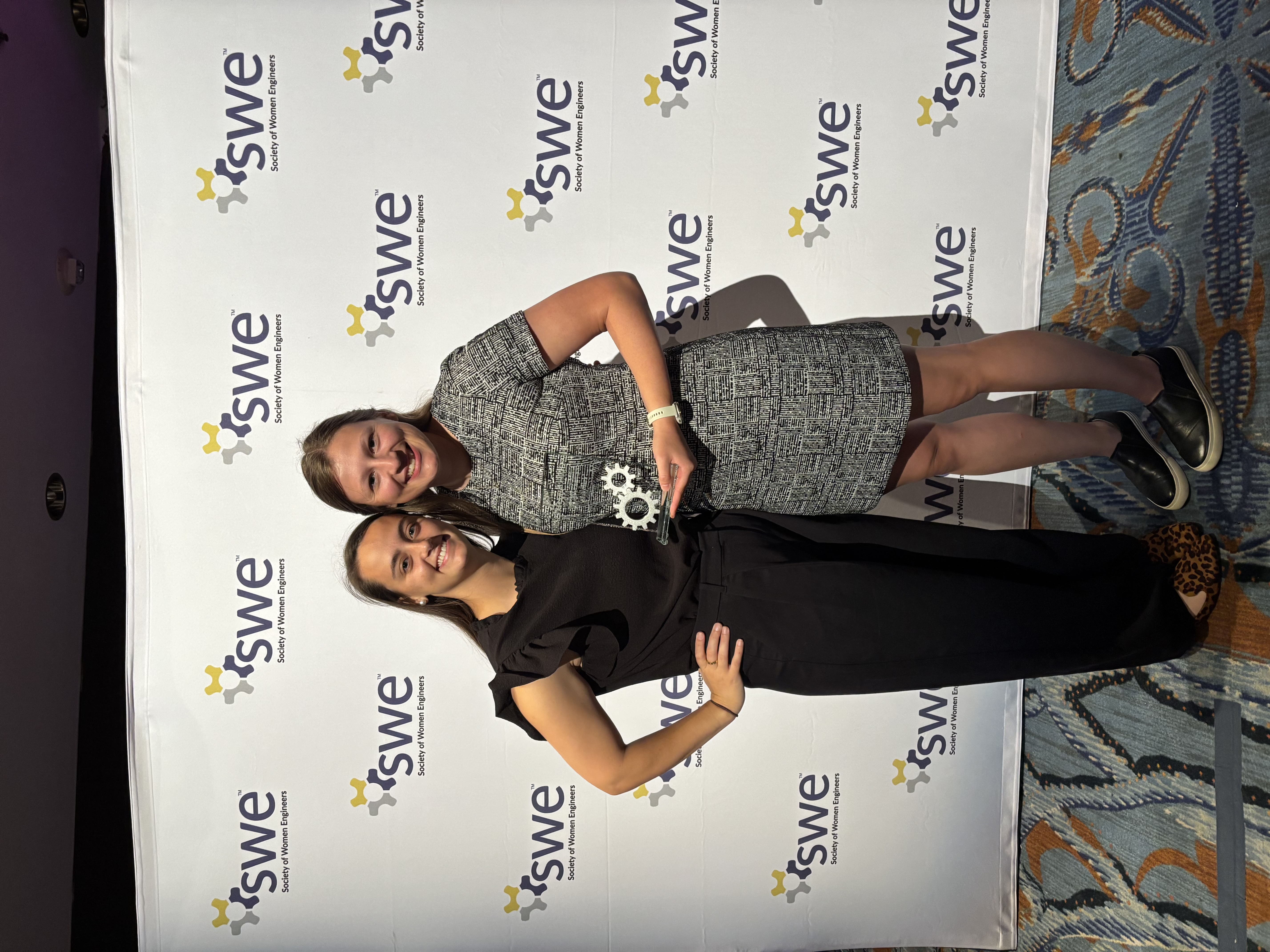
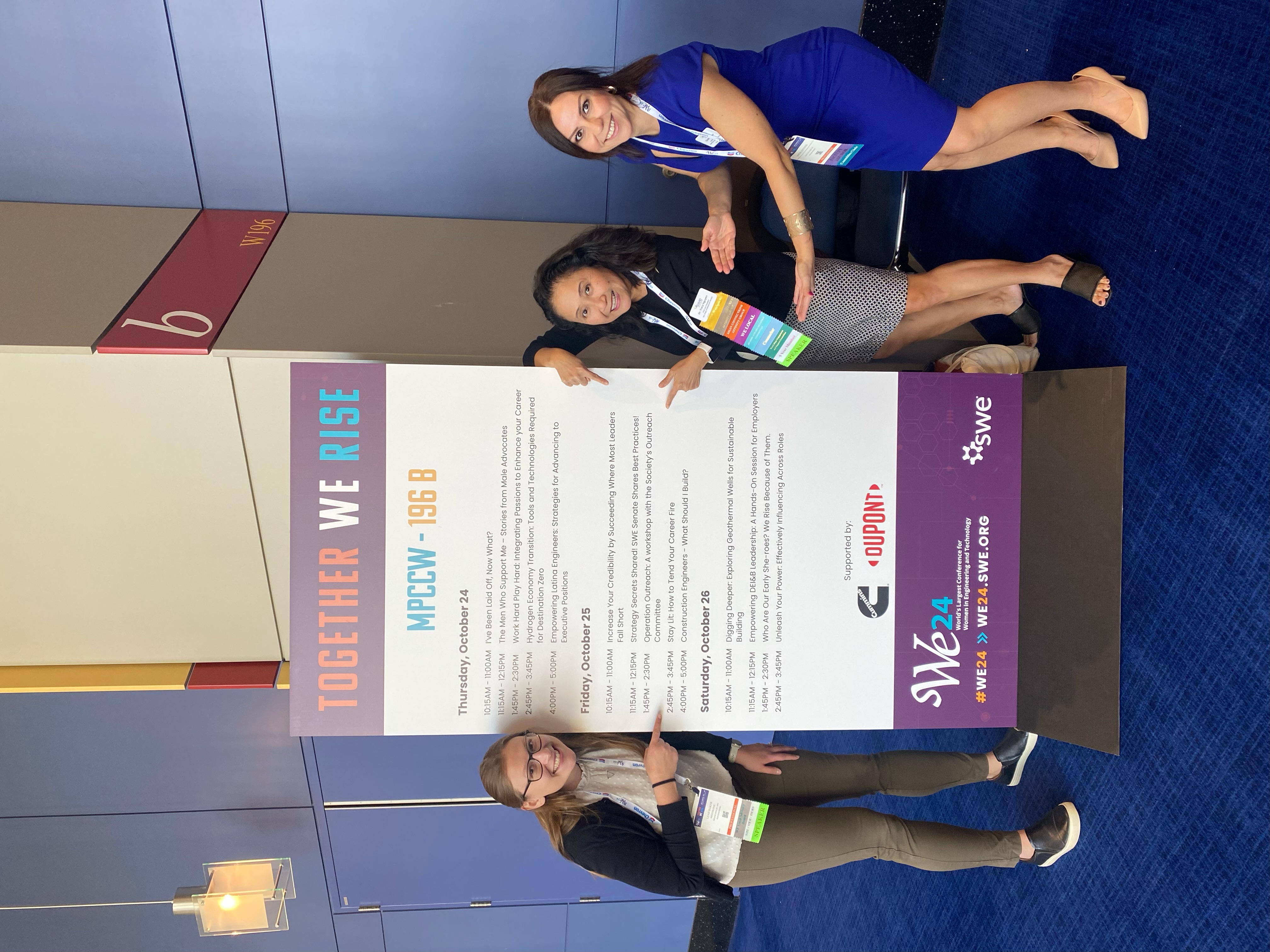
That commitment has become a significant part of Leah’s life outside of her engineering work. She first became involved with the Society of Women Engineers (SWE) as an undergraduate at the University of Minnesota, eventually taking on outreach and leadership roles at the university and national levels.
In 2024, she chaired SWE’s society-level outreach committee, leading a team of more than 70 volunteers from around the world working to support STEM outreach.
She has also continued volunteering through Medtronic, participating in summer camps, STEM days, science fairs, student conferences, and other programs that introduce young people to STEM. Today, she’s helping coordinate Medtronic’s partnership with the University of Minnesota’s Women in Science & Engineering (WISE) program, connecting 100 mentor-mentee pairs.
In some ways, it brings Leah’s story full circle. At 11, an encounter with an engineer at Global Finals helped her imagine a future she hadn’t considered before. Now she’s helping create opportunities for other young people to see where their own interests in science and engineering could lead.
Looking back, Leah sees her DI experience as a place where the things that made her different could also be strengths.
“Through DI, I learned to be proud of being me,” she said.
As a fifth grader, Leah was more interested in carbon nanotubes than the latest boy band. With her team, those interests weren’t something she needed to minimize. They were something she could contribute.
“Team activities like DI can highlight what everyone brings to the table,” Leah said. “Everyone is important. Everyone’s ideas matter.”
More than a decade after Leah and six other girls stood together behind a giant pink cake they had helped bring to life, she’s still carrying those lessons with her—into engineering, into the way she solves problems, and into her efforts to help more girls see a place for themselves in STEM.
“These principles laid the groundwork for me to stick with science and be proud of who I am.”
What’s Your DI Story? 

The experiences we have in DI can stay with us long after our final Challenge. Maybe it’s a friendship, a moment that changed how you saw yourself, or a skill you still use today.
We’d love to hear what DI has meant to you and where life has taken you since.